
Rewiring Your Brain for Positivity
Rewiring Your Brain for Positivity: A Practical Guide to Lasting Change

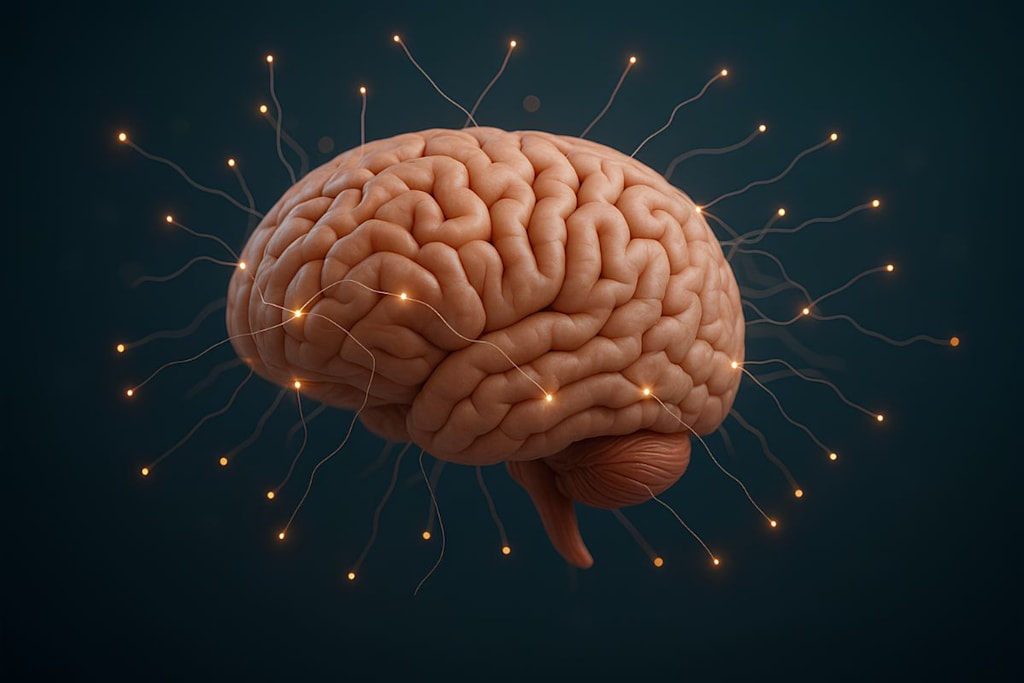
In today’s fast-paced and often stressful world, maintaining a positive mindset can feel like a constant struggle. Negative thoughts, self-doubt, and anxiety can easily take over, especially when we are overwhelmed. However, what many people don’t realize is that the brain is not fixed—it is adaptable. Through a process known as neuroplasticity, you can actually rewire your brain to think more positively over time.
This isn’t about ignoring reality or forcing fake happiness. Instead, it’s about training your mind to respond differently to challenges, helping you build resilience, emotional balance, and a healthier outlook on life.
Understanding How the Brain Works
The human brain is designed to prioritize survival. This means it naturally pays more attention to threats, problems, and negative experiences—a tendency often referred to as the “negativity bias.” While this was useful for early humans facing danger, in modern life it can lead to overthinking, stress, and persistent negativity.
The good news is that the brain can change. Every thought you think strengthens certain neural pathways. If you consistently focus on negative patterns, those pathways become stronger. But if you consciously practice positive thinking, you begin to build new pathways that support optimism and calmness.
The Role of Awareness
The first step in rewiring your brain is awareness. You can’t change what you don’t notice.
Start by observing your thoughts throughout the day. Are they mostly critical, fearful, or pessimistic? Do you often expect the worst-case scenario? Recognizing these patterns helps you understand how your mind operates.
Instead of judging yourself for negative thoughts, simply acknowledge them. For example, if you catch yourself thinking, “I’m not good enough,” pause and recognize it as just a thought—not a fact. This small shift creates space for change.
Practicing Gratitude Daily
Gratitude is one of the most effective ways to train your brain for positivity. When you consciously focus on what you’re thankful for, you redirect your attention away from what’s lacking.
A simple daily habit can make a big difference. Spend a few minutes each day writing down three things you are grateful for. They don’t have to be big achievements—small moments like a good meal, a kind gesture, or a peaceful walk are just as powerful.
Over time, this practice conditions your brain to notice positive experiences more naturally, gradually weakening the negativity bias.
Reframing Negative Thoughts
Reframing is the process of changing how you interpret situations. It doesn’t mean denying difficulties, but rather looking at them from a different perspective.
For example:
Instead of thinking, “I failed,” try “I learned something valuable.”
Instead of “This is too hard,” think “This is a challenge I can grow from.”
By consistently reframing situations, you teach your brain to respond with curiosity and growth rather than fear and defeat.
The Power of Consistent Habits
Rewiring your brain is not a one-time effort—it requires consistency. Small, repeated actions create lasting change.
Some helpful habits include:
- Mindfulness or meditation: Even 5–10 minutes a day can improve emotional regulation.
- Positive affirmations: Repeating constructive statements can influence your self-perception over time.
- Journaling: Writing helps process emotions and clarify thoughts.
These habits work best when practiced regularly, even if only for a short time each day.
Surrounding Yourself with Positivity
Your environment plays a significant role in shaping your mindset. The people you interact with, the content you consume, and the conversations you engage in all influence your thoughts.
Try to:
- Spend time with supportive and encouraging individuals
- Limit exposure to negative news or social media content
- Engage in activities that uplift and inspire you
While you can’t control everything around you, you can make conscious choices about what you allow into your mental space.
Training Your Brain Through Action
Positive thinking isn’t just about thoughts—it’s also about actions. When you engage in activities that bring joy, purpose, or fulfillment, your brain releases chemicals like dopamine and serotonin, which enhance your mood.
Simple actions can include:
- Exercising regularly
- Helping others
- Pursuing hobbies you enjoy
- Spending time in nature
These experiences reinforce positive emotional patterns, making it easier for your brain to associate life with rewarding outcomes.
Patience and Realistic Expectations
It’s important to understand that rewiring your brain takes time. You won’t become positive overnight, and that’s completely normal. There will still be days when negative thoughts return, especially during stressful situations.
The goal isn’t perfection—it’s progress. Each time you choose a healthier thought pattern, you are strengthening new neural pathways. Over weeks and months, these small changes accumulate into a noticeable shift in your mindset.
Why Positivity Matters
Developing a positive mindset is not just about feeling good. Research shows that it can improve mental health, reduce stress, enhance relationships, and even support physical well-being.
A positive brain is more resilient. It adapts better to challenges, recovers faster from setbacks, and remains open to opportunities. This doesn’t mean life becomes easier, but it does mean you become better equipped to handle it.
Final Thoughts
Rewiring your brain for positivity is a powerful and achievable goal. By becoming aware of your thoughts, practicing gratitude, reframing challenges, and building consistent habits, you can gradually shift your mindset toward a more balanced and optimistic outlook.
It’s a journey that requires patience and effort, but the results are worth it. Over time, positivity becomes less of a practice and more of a natural way of thinking—helping you navigate life with greater clarity, confidence, and emotional strength.
About the Creator
Stories Today
Stories Today is a place where real people share real stories, and that’s it. We believe every person has an incredible story to tell.
Visit us:https://storiestoday.co.uk/
Keep reading
More stories from Stories Today and writers in Psyche and other communities.
Dopamine Detox
In recent years, the idea of a “dopamine detox” has gained massive popularity, especially among people struggling with distraction, low motivation, and digital addiction. From social media influencers to productivity experts, many claim that cutting off dopamine-triggering activities can “reset” your brain and improve focus.
By Stories Todaya day ago in Psyche
The BAFTA Awards
By now, in a stunning departure from recent years, most of the world is aware of what happened at the BAFTA film awards. Social Media Headlines will tell you the bare bones: that John Davidson, a Tourette's Syndrome advocate, shouted a racial slur at two Actors of Colour, Michael B Jordan and Delroy Lindo.
By Natasja Roseabout a month ago in Psyche
The Train That Didn’t Stop
The train was already moving when I jumped on. I didn’t even check where it was going. All I knew was that I needed The platform behind me blurred into nothing as the doors shut with a heavy thud. My chest was still tight, my breath uneven. I found an empty seat by the window and tried to steady myself.
By hasnain pathan6 days ago in Psyche


Comments
There are no comments for this story
Be the first to respond and start the conversation.