
When Every Minute Matters: Motorcycle Ambulances Saving Lives in Rural Areas
Inder Auto Industries
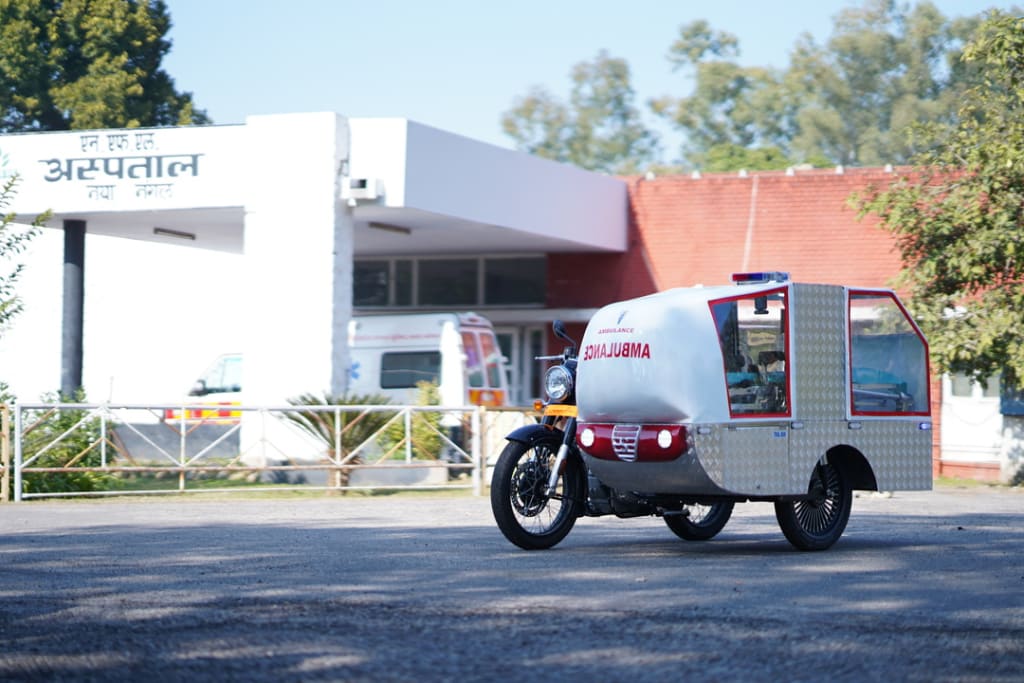
In rural areas, emergencies don’t feel the same as they do in cities. Not because they’re less serious but often because they’re harder to handle.
Someone collapses in a village. A farm accident happens far from the nearest clinic. A snake bite occurs late at night. These situations are more common than many people realize. The real challenge isn’t just the emergency itself it’s how quickly help can arrive.
Distance plays a huge role. So do roads.
In many villages, reaching a patient isn’t simple. Roads can be narrow, uneven, or sometimes barely there. During the rainy season, they often turn muddy and difficult to navigate. A large ambulance, which works perfectly well in cities, may struggle or slow down significantly in these conditions.
And in an emergency, even a small delay can matter more than we think.
The Problem Most People Don’t See
Cities usually have hospitals nearby. In rural areas, that’s not always the case.
Some villages are located miles away from proper medical facilities. Even when an ambulance is available, getting to the patient can take time sometimes too much time.
A traditional ambulance is big and heavy. It’s designed for highways and proper roads, not narrow village paths or rough terrain. Because of this, response times often stretch longer than they should.
Now imagine waiting in that situation, knowing help is on the way but not knowing how long it will take.
That gap between the emergency and the arrival of help is where many lives are at risk.
A Simple Idea That Makes a Big Difference
This is where motorcycle ambulances come into the picture.
At its core, the idea is simple. Instead of sending a large vehicle that may struggle to reach the location, a smaller, more agile vehicle is used something that can move quickly through tight spaces and rough paths.
A motorcycle ambulance is typically equipped with basic emergency medical supplies. Some versions include a sidecar or a small trailer that can carry equipment, and in certain cases, even a patient.
It’s not meant to replace a traditional ambulance. Instead, it acts as the first response.
And that first response can make all the difference.
Why Smaller Vehicles Work Better in Rural Areas
Mobility is the biggest advantage here.
A motorcycle can easily pass through narrow lanes, village roads, and uneven tracks where larger vehicles might slow down or stop entirely. It doesn’t need wide roads or perfect conditions to move efficiently.
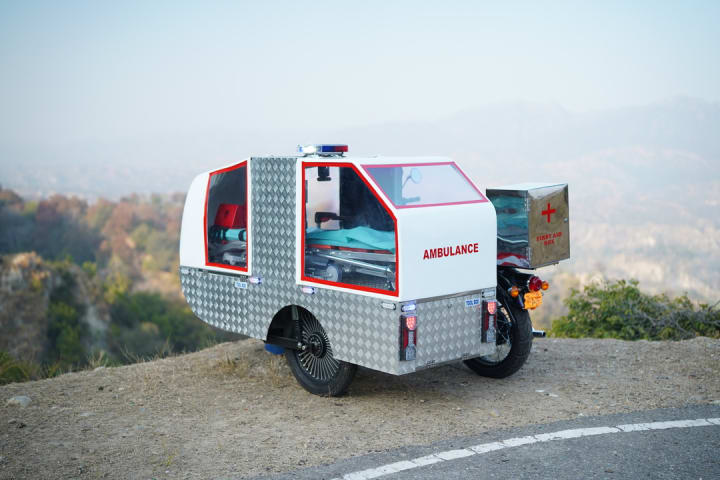
Because of that, response time improves significantly.
Instead of waiting for a full-sized ambulance that may take longer to arrive, a responder on a motorcycle can often reach the patient much faster. Even basic care like controlling bleeding or providing oxygen can begin earlier.
Those first few minutes are critical. They can stabilize a situation and give the patient a much better chance by the time they reach a hospital.
What It Means in Real Life
Imagine a farmer working in a field far from the main road. An accident happens, and he’s injured.
Calling for help is easy. Getting help there is not.
A large ambulance might take time to navigate the route. But a motorcycle can reach him sooner, bringing immediate support while further arrangements are made.
That early response can change everything.
A Practical Option for Limited Resources
Another important factor is cost.
In many rural areas, healthcare budgets are limited. Maintaining multiple large ambulances isn’t always realistic. They require more fuel, more maintenance, and better infrastructure.
Motorcycle ambulances offer a more practical alternative.
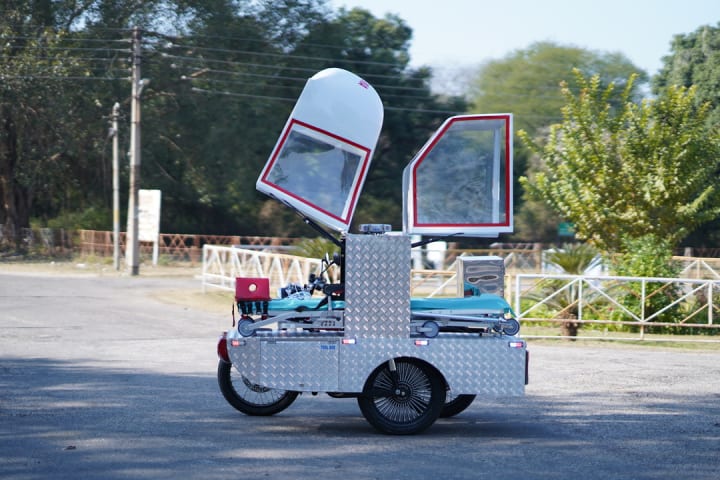
They are easier to maintain, more fuel-efficient, and capable of covering large areas quickly. For small clinics, community health programs, and local emergency services, this makes them a useful addition rather than a replacement.
Built for Tough Conditions
Rural environments can be unpredictable. Dust, heat, rough roads vehicles need to handle all of it.
Motorcycle ambulances are often designed with these conditions in mind. Strong frames, stable designs, and simple mechanisms make them more reliable for daily use in challenging environments.
Reliability matters most when people depend on the system during emergencies.
A Growing Approach
More regions are beginning to recognize the value of this approach.
Motorcycle ambulances are being used as first responders in areas where traditional vehicles cannot easily go. They help bridge a gap that has existed for years bringing medical assistance closer to people who need it.
The idea isn’t complicated: reach the patient quickly, provide immediate care, and then arrange further treatment if needed.
Sometimes, simple solutions work best.
Looking Ahead
Rural healthcare is slowly evolving. Not all at once, and not everywhere but there are clear signs of change.
People are starting to understand that solutions don’t always have to be large or complex to be effective. In many cases, smaller, faster, and more practical approaches can solve real problems.
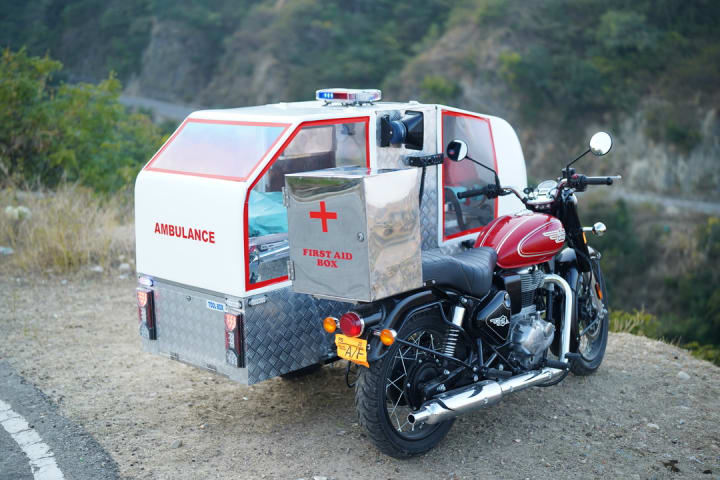
Motorcycle ambulances are one of those solutions.
They don’t replace traditional emergency systems, but they strengthen them especially in places where reaching the patient has always been the hardest part.
At the end of the day, emergencies are about time.
And sometimes, reaching someone just a little earlier can make all the difference.
About the Creator
Keep reading
More stories from Saleen Prajapat and writers in Lifehack and other communities.
Why Motorcycle Sidecars Are Making a Comeback in 2026
Not too long ago, most people thought the motorcycle sidecar was basically history. Something you’d only notice in old photos or maybe parked outside a retro café for style points. But lately, things are shifting slowly at first, then all at once. You start seeing a motorcycle with sidecar again, not just as a novelty but as something practical, useful, and honestly… kind of smart.
By Saleen Prajapatabout a month ago in Futurism
5 Apps to Help You With Spring Cleaning
Winter items need to be packed away on the top shelves or in wardrobes, windows need washing, and the kitchen needs dusting. The to-do list can grow so long and daunting that it kills your motivation to even start. To avoid this, try using specialized mobile applications to organize, gamify, and simplify the cleaning process.
By Alesia Chumakovaabout 9 hours ago in Lifehack
AI in Healthcare: Transforming Modern Medicine and Patient Care
The rapid advancement of technology has reshaped nearly every industry, but few areas have experienced as profound a transformation as medicine. Over the past decade, artificial intelligence has moved from a futuristic concept to a practical tool that supports doctors, improves diagnostics, and enhances patient outcomes. Today, AI in healthcare is not just an innovation—it is becoming a foundation for smarter, safer, and more efficient medical systems around the world.
By Muhammad Hanzlaabout an hour ago in Lifehack


Comments
There are no comments for this story
Be the first to respond and start the conversation.