
The Fastest Way to Get Out of Debt (Practical Steps That Actually Work)
Debt can feel like a heavy chain, but with a clear strategy, discipline, and smart planning, you can regain control of your finances faster than you think


Debt is one of the most common financial challenges, and it grows silently until it dominates your budget, your mental space, and your long-term goals. While interest compounds against you, a structured approach can reverse the process. Escaping debt is rarely about magic or luck—it’s about taking immediate action, creating systems, and making disciplined choices consistently over time.
The fastest path out of debt is not the one that promises quick fixes or temporary relief. It is the one that attacks the problem systematically, prioritizes high-impact steps, and balances both income and expenses strategically.
1. Face the Numbers Honestly
The first step is often the hardest: understand exactly what you owe, including interest rates, minimum payments, and late fees. List every credit card, loan, payday advance, and outstanding bill. By confronting the reality, you eliminate denial, clarify priorities, and set the foundation for a repayment plan. Avoiding this step only prolongs the debt cycle and increases financial stress.
2. Stop Accumulating More Debt
It may sound obvious, but many people continue adding new obligations while trying to pay off existing ones. Halt all unnecessary spending and consider freezing credit cards, temporarily pausing subscriptions, or redirecting money toward repayment. Stopping the inflow of new debt is critical to creating a net reduction in your liabilities.
3. Prioritize Debts Strategically
Not all debts are equal. Focus first on high-interest debts, such as credit cards or payday loans, which grow fastest and compound against you. The “avalanche method” targets these high-rate debts first, minimizing total interest paid, while the “snowball method” pays smaller debts first for psychological momentum. Both methods work; the key is disciplined execution.
4. Increase Income Wherever Possible
Debt reduction is accelerated by increasing cash flow. Consider overtime, freelancing, selling unused assets, or starting a small side business. Every extra dollar should be directed toward repayment. The brain responds well to visible progress, so even moderate income increases can dramatically shorten the repayment timeline when applied consistently.
5. Reduce Expenses Aggressively
Identify all non-essential expenses and cut ruthlessly. Dining out, entertainment subscriptions, impulse shopping, and luxury purchases are temporary pleasures that slow debt elimination. Redirect these funds to repayment, and the effect compounds monthly, creating tangible momentum toward freedom.
6. Consolidate or Refinance Debt
For some, consolidating multiple debts into a single lower-interest loan or negotiating lower rates can reduce financial strain and simplify management. This is not a magic cure, but a tool to optimize payments and reduce interest paid over time. Professional advice may be beneficial, especially when dealing with multiple creditors.
7. Automate Payments
Set up automatic payments for at least the minimum on all debts to avoid late fees and missed deadlines. Automation ensures consistency and reduces the psychological burden of tracking multiple due dates. It also protects against procrastination, one of the most common saboteurs of fast debt repayment.
8. Use Windfalls Wisely
Tax refunds, bonuses, or unexpected gifts should be applied to debt rather than discretionary spending. Large one-time payments can significantly reduce principal balances and accelerate progress. The brain rewards visible reductions, reinforcing motivation and consistency.
9. Track Progress Publicly or Visually
Visualizing debt reduction—through charts, graphs, or progress trackers—creates accountability and psychological reinforcement. Seeing balances drop monthly transforms abstract numbers into tangible victories, keeping motivation high and discouraging relapse into poor spending habits.
10. Build a Small Emergency Fund
Ironically, part of escaping debt quickly involves saving a small cushion—$500–$1,000—to handle unexpected expenses. Without it, emergencies force new borrowing, undoing progress. A minimal emergency fund allows the repayment strategy to remain uninterrupted, accelerating freedom from debt.
A Smarter Perspective
Getting out of debt quickly requires discipline, intentionality, and strategic prioritization. It is not about extreme austerity or magic solutions but about creating consistent habits, removing obstacles, and directing every possible resource toward reducing liabilities. The fastest path is systematic, relentless, and psychologically aware.
Final Thought
Debt can feel inescapable, but it is ultimately a problem of planning and behavior, not inevitability. By understanding the mechanics of debt, increasing income, reducing expenses, prioritizing high-interest obligations, and tracking progress visually, anyone can regain control faster than expected. Freedom begins with clarity, action, and relentless consistency.
About the Creator
Algieba
Curious observer of the world, exploring the latest ideas, trends, and stories that shape our lives. A thoughtful writer who seeks to make sense of complex topics and share insights that inform, inspire, and engage readers.
Commercial Vehicle Market Size and Forecast 2025–2033
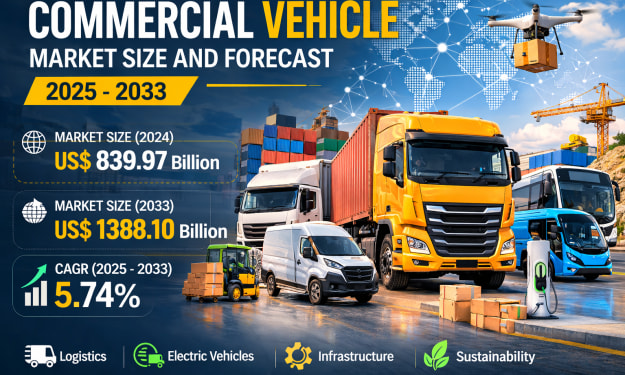
The global commercial vehicle market is entering a period of steady and transformative growth as transportation networks evolve to support modern economic activities. According to industry estimates, the market is expected to grow from US$ 839.97 billion in 2024 to approximately US$ 1,388.10 billion by 2033, registering a compound annual growth rate (CAGR) of 5.74% between 2025 and 2033.
By shibansh kumar5 days ago in Trader
Australia Olive Oil Market Growth, Forecast, and Strategic Insights by 2034
Olive oil has become a staple ingredient in modern Australian kitchens, reflecting changing dietary habits and a growing interest in healthier cooking oils. Known for its nutritional benefits and versatility, olive oil is widely used across households, restaurants, and food processing industries. As Australian consumers increasingly prioritize natural and heart-healthy food products, olive oil consumption continues to rise across the country.
By Amélie Belle7 days ago in Trader
The Rivers of Babylon
The iconic disco group Boney M from the 1970s left an indelible mark on the music world with their infectious beats and unforgettable melodies. Formed in West Germany, the group's vibrant sound, blending Caribbean rhythms with European pop sensibilities, quickly catapulted them to international stardom.
By Rasma Raisters5 days ago in Beat



Comments
There are no comments for this story
Be the first to respond and start the conversation.