
What should I consider when choosing a hair replacement for women?
A practical guide to finding the perfect balance between lifestyle, beauty, and confidence

Choosing the Right Hair Replacement for Women in 2026
A practical guide to finding the perfect balance between lifestyle, beauty, and confidence
Hair is personal.
It’s not just about style—it’s about identity, routine, and how you move through your day. So when hair loss or thinning becomes part of your reality, choosing a replacement isn’t just a cosmetic decision.
It’s a lifestyle decision.
And in 2026, the good news is this: you have more options than ever before. From full wigs to partial toppers, extensions to advanced non-surgical systems, modern solutions are designed to fit you—not the other way around.
But with so many choices, how do you actually decide?
Let’s break it down in a way that makes sense.
Start With Your Lifestyle (Not the Product)
Before you look at materials, brands, or price tags, start here:
How do you live your daily life?
If you’re active—working out, swimming, constantly on the go—you’ll need something:
Secure
Breathable
Resistant to sweat and movement
Lace-based systems or professionally bonded solutions often work best in these cases because they stay in place and allow airflow.
If your lifestyle is more low-key, you may prefer removable options like clip-ins or wigs that offer flexibility without long-term commitment.
The truth is simple:
The best hair replacement isn’t the most expensive—it’s the one that fits seamlessly into your routine.
How Much Maintenance Are You Willing to Handle?
Every option comes with a different level of upkeep.
Low-Maintenance Options
Synthetic hair systems are ideal if you want a “wash-and-go” lifestyle.
They:
Hold their style after washing
Require minimal daily effort
Are beginner-friendly
Higher-Maintenance (But More Flexible)
Human hair systems behave like natural hair.
You can:
Curl or straighten them
Dye and restyle
Customize your look anytime
But they require regular care—washing, conditioning, and styling.
Daily vs Long-Term Wear
Removable systems (like clip-ins) require daily application
Bonded systems stay in place for weeks but need professional maintenance
There’s no right answer—just the one that matches your patience and routine.
Budget Isn’t Just the Price Tag
It’s easy to focus on upfront cost—but hair replacement is a long-term commitment.
Synthetic options are usually more affordable initially
Human hair or custom systems cost more—but offer better realism and longevity
Maintenance, products, and replacements add up over time
Think of it less like a purchase…
and more like an ongoing beauty investment.
The Secret to a Natural Look
This is where everything comes together.
A great hair replacement should blend so well that no one questions it.
That depends on:
Color matching (including subtle highlights and undertones)
Density (too thick can look unnatural)
Texture (straight, wavy, curly—matching your natural pattern)
Human hair generally offers the most realistic look and feel, especially under natural light.
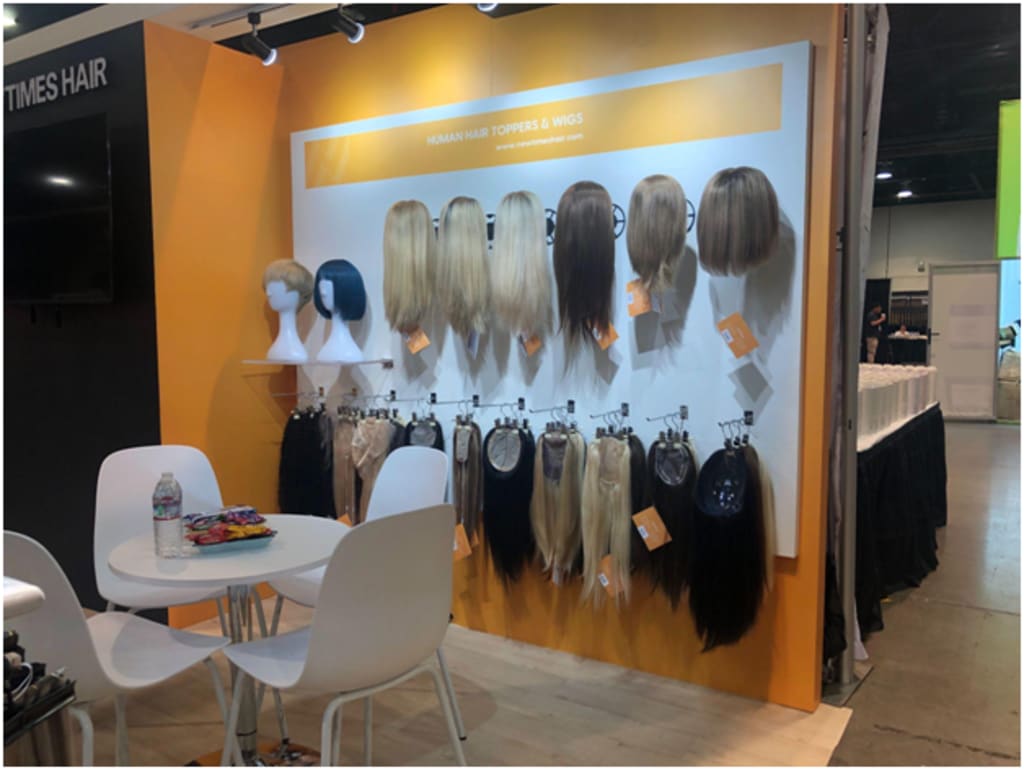
Brands like Newtimes Hair focus on these details—offering customizable systems designed to match real hair patterns, textures, and densities. Their range includes wigs, toppers, and extensions tailored for women who want both realism and flexibility.
Because in the end, it’s not about having “more hair”—
it’s about having believable hair.
Coverage: Do You Need Full or Partial?
Not all hair loss looks the same—and your solution shouldn’t either.
Full Coverage (Wigs)
Ideal for extensive hair loss
Offers complete transformation
Quick and versatile
Partial Coverage (Toppers / Hairpieces)
Designed for thinning at the crown or part line
Blend with your natural hair
Lighter and more breathable
Volume & Length (Extensions)
Best for adding fullness rather than covering loss
Works when you still have a strong base of natural hair
Choosing the right level of coverage makes everything feel more natural—both visually and physically.
Don’t Ignore Scalp Sensitivity
Comfort matters more than people expect.
If you have a sensitive scalp or medical-related hair loss, consider:
Hypoallergenic adhesives
Lightweight lace bases
Clip-in systems that avoid glue entirely
Irritation can turn a great solution into a frustrating experience—so this step is worth paying attention to.
Permanent or Flexible: What’s Your Preference?
This is one of the biggest decisions.
Permanent Options
Surgical hair transplants
Long-term bonded systems
Pros: Long-lasting results
Cons: Higher cost, less flexibility, possible recovery time
Non-Surgical Options
Wigs
Hair systems
Extensions
Pros: Instant results, customizable, reversible
Cons: Requires maintenance
In 2026, many women are choosing non-surgical options for one key reason:
Control.
You can change your style, adjust your look, and evolve over time.
Why a Professional Consultation Matters
Even with all this information, nothing replaces expert guidance.
A specialist or trichologist can:
Identify the cause of hair loss
Recommend the right solution
Customize color, density, and fi
What works for someone else may not work for you.
And that’s okay—because the best results are always personalized.
Final Thoughts: It’s About More Than Hair
Choosing a hair replacement system isn’t just about appearance.
It’s about comfort. Confidence. Freedom.
The freedom to go about your day without thinking about your hair.
The confidence to look in the mirror and feel like yourself again.
When you take the time to match your lifestyle, maintenance level, and personal preferences, the decision becomes much clearer.
Because the right choice doesn’t feel like an adjustment.
It feels like a return.
About the Creator
Emma Smith
explores the latest trends in hair, hairstyles, and hair systems, creating insightful content that blends fashion, innovation, and confidence.
Keep reading
More stories from Emma Smith and writers in Styled and other communities.
6 Lightweight Hair System Styles Perfect for a Spring Day Out
6 Lightweight Hair System Styles Perfect for a Spring Day Out Spring has a very specific energy. The air feels lighter. The sun lingers a little longer in the afternoon. Suddenly people are eating lunch outside again, walking more, smiling more, living more.
By Emma Smith7 days ago in Styled
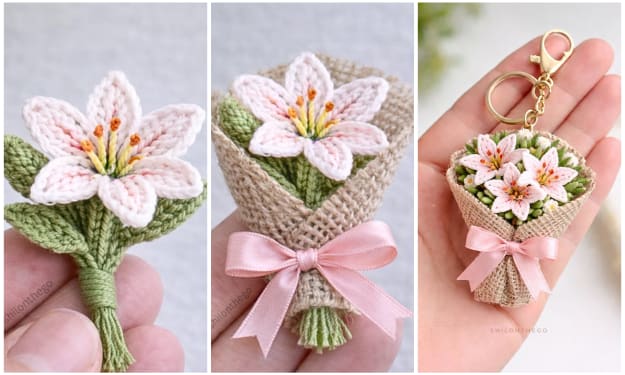
Why Mini Lily Bouquet Crochet Keychains Are Trending in Handmade Gifts
Handmade accessories are making a strong comeback, and among the most loved creations today is the mini lily bouquet keychain. Delicate, aesthetic, and meaningful, this tiny crochet piece blends creativity with everyday functionality. If you’ve been looking for a charming handmade project, you can explore this detailed mini lily bouquet crochet pattern to create your own unique piece.
By Amit Mandala day ago in Styled
A Transparent Look at Vocal Challenges and Top Stories
Almost three years ago, we shared a resource article that served as a place for people to suggest new challenge prompts. We thought it would be a good idea to refresh that thread, and take the opportunity to answer a few common questions about top stories, how challenges are judged and how submissions are reviewed.
By Vocal Curation Team7 days ago in Resources



Comments
There are no comments for this story
Be the first to respond and start the conversation.