
Respiratory Health in Cats: Common Indoor Triggers and Prevention
Protecting Your Feline Friend from Indoor Air Hazards and Ensuring Long-Term Wellbeing

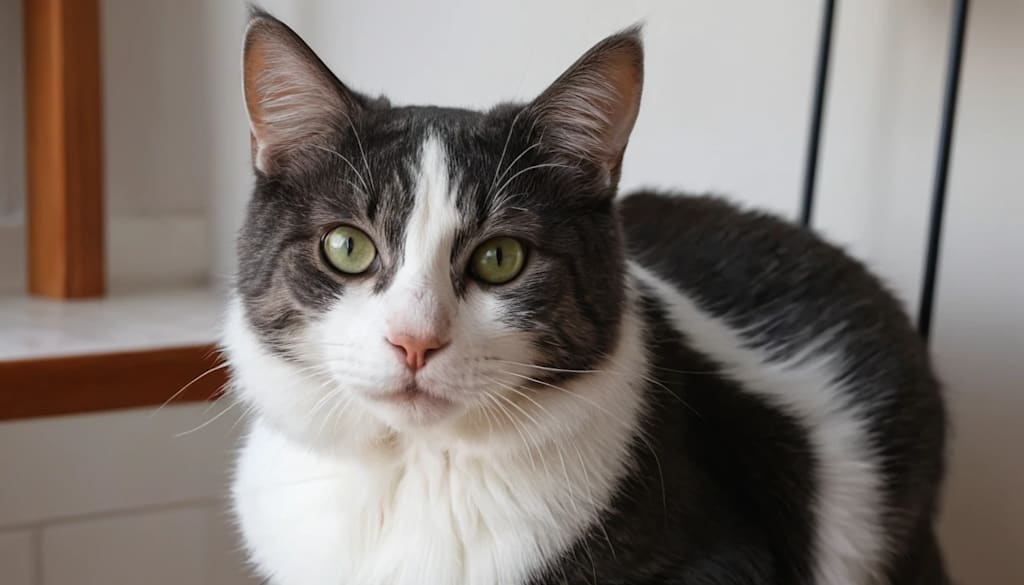
Cats are remarkable creatures—graceful, independent, and often shrouded in mystery. Yet beneath their serene exterior, cats are surprisingly sensitive to their environment, especially when it comes to their respiratory health. Indoor air quality, commonly overlooked, can be a silent threat, leading to chronic issues like asthma, bronchitis, or upper respiratory infections. Understanding common indoor triggers and implementing preventative measures can dramatically improve your cat’s quality of life.
Understanding Feline Respiratory Health
Cats’ respiratory systems are delicate. Their small airways and unique immune responses make them more vulnerable than humans to airborne irritants. Symptoms of respiratory distress in cats can be subtle at first: occasional coughing, sneezing, or a change in breathing pattern. Left unchecked, these minor signs can develop into chronic conditions, including feline asthma, a condition affecting roughly 1% of cats worldwide.
Cats primarily breathe through their noses, but their short nasal passages in some breeds, like Persians and Himalayans, make them especially prone to respiratory problems. Indoor environments, often assumed safe, can harbor invisible irritants that trigger these issues.
Common Indoor Triggers
1. Dust and Lint
House dust may seem harmless, but for cats it can be a significant irritant. Dust carries microscopic particles—pet dander, pollen, mold spores—that inflame feline airways. Homes with carpeted floors or cluttered surfaces increase exposure, while frequent sweeping or vacuuming with HEPA filters can reduce risk.
2. Tobacco Smoke
Cats exposed to secondhand smoke are at higher risk of respiratory infections and even cancer. Unlike humans, cats groom themselves constantly, ingesting nicotine residue that settles on their fur. Even occasional smoking indoors can be dangerous.
3. Household Cleaners
A variety of cleaning products release volatile organic compounds (VOCs), ammonia, or bleach fumes that irritate cats’ respiratory tracts. Strong-scented sprays, disinfectants, and air fresheners should be used cautiously. Opting for pet-safe, fragrance-free cleaning agents can mitigate these risks.
4. Scented Candles and Incense
Many pet owners use candles or incense for ambiance, unaware that smoke particles and fragrance chemicals can inflame cat lungs. Even “natural” candles release fine particulate matter. If used, ensure proper ventilation and limit exposure time.
5. Litter Dust
Not all cat litters are equal. Clumping clay litters, especially those with fine dust, can provoke coughing or sneezing. Dust-free or natural litters like corn, wheat, or paper-based options are safer for sensitive respiratory systems.
6. Mold and Mildew
Indoor mold growth, often in bathrooms, basements, or near windows, can release spores that irritate lungs. Cats with chronic respiratory issues are particularly vulnerable. Regular inspection, dehumidifiers, and mold-resistant cleaning can prevent outbreaks.
7. Aerosols and Sprays
Hair sprays, air fresheners, and aerosolized pesticides are harmful to feline lungs. Even brief exposure can trigger coughing or sneezing. Cats are highly sensitive to airborne chemicals, so it’s crucial to use sprays only when cats are out of the room and ensure proper ventilation.
Recognizing Respiratory Problems in Cats
Cats are masters at hiding illness, a trait inherited from their wild ancestors to avoid predation. Symptoms of respiratory distress may include:
• Persistent coughing or wheezing
• Sneezing or nasal discharge
• Labored breathing or rapid breaths
• Decreased activity or reluctance to play
• Open-mouth breathing in severe cases
Early recognition is critical. Chronic exposure to triggers can exacerbate conditions like feline asthma, which is irreversible but manageable with veterinary care.
Prevention Strategies
1. Maintain Clean Air Indoors
Using HEPA air purifiers can trap dust, pollen, and dander, significantly reducing triggers. Regularly clean air vents, replace filters, and keep surfaces free of dust accumulation.
2. Choose Cat-Safe Cleaning Products
Switch to non-toxic, unscented cleaners and avoid ammonia-based products. Ensure adequate ventilation during and after cleaning to prevent chemical buildup.
3. Opt for Low-Dust Litter
Natural litters reduce airborne particles, minimizing irritation. Regular litter box maintenance is essential to avoid bacterial growth and ammonia buildup.
4. Minimize Smoke Exposure
Smoke is one of the most harmful triggers. Designate smoke-free areas and keep cats away from any space where smoking occurs. Even outdoor smoke can drift indoors, so consider air purifiers and sealing windows.
5. Control Humidity and Mold
Maintaining indoor humidity around 40–50% discourages mold growth and keeps airways comfortable. Regularly check damp areas, use dehumidifiers, and clean mold-prone surfaces with pet-safe solutions.
6. Reduce Aerosol and Fragrance Use
Avoid scented candles, air fresheners, or sprays near your cat’s living spaces. If necessary, use them only when cats are not present and ventilate the area afterward.
7. Regular Veterinary Checkups
Routine vet visits help detect early respiratory issues before they escalate. For cats with chronic conditions, vets may recommend inhalers, corticosteroids, or antihistamines to manage symptoms.
Diet and Lifestyle Factors
Respiratory health is not only about the air your cat breathes. Nutrition and overall health influence susceptibility to respiratory conditions.
• High-quality protein and fatty acids support immune function.
• Weight management reduces strain on lungs in overweight cats.
• Hydration keeps mucous membranes moist, easing breathing.
• Stress reduction, through play and safe spaces, lowers the risk of flare-ups for sensitive cats.
Emergency Situations
Respiratory distress can escalate quickly. Emergency signs include:
• Open-mouth breathing
• Gasping for air
• Blue-tinged gums or tongue
• Extreme lethargy or collapse
If any of these occur, immediate veterinary care is crucial. Quick intervention can prevent life-threatening complications.
Special Considerations for Multi-Cat Households
In homes with multiple cats, airborne irritants multiply. Pheromones and stress from other cats can exacerbate respiratory conditions. Strategies include:
• Multiple litter boxes in well-ventilated areas
• Air purifiers in main living spaces
• Designated cat zones to reduce crowding
Long-Term Care and Monitoring
Preventing respiratory problems is an ongoing commitment. Keeping a diary of symptoms, environmental changes, and exposures helps veterinarians manage chronic conditions. Regular weight checks, nasal inspections, and monitoring for sneezing or coughing are simple but effective practices.
Indoor air may seem harmless, but for cats, it can harbor numerous respiratory hazards. Dust, smoke, chemicals, and mold silently affect feline lungs, leading to conditions that reduce their quality of life. By understanding common triggers, improving air quality, choosing safe products, and maintaining regular veterinary care, you can protect your feline companion’s respiratory health.
A proactive approach—combining prevention, monitoring, and prompt intervention—ensures your cat enjoys the happy, active life they deserve. Their delicate lungs are worth every small effort you make to keep the air they breathe safe, clean, and comforting.
About the Creator
Algieba
Curious observer of the world, exploring the latest ideas, trends, and stories that shape our lives. A thoughtful writer who seeks to make sense of complex topics and share insights that inform, inspire, and engage readers.
What Are Peacock Cichlid Types? Complete Guide to Varieties, Colors & Care
Peacock cichlid types are different species and color variants of Aulonocara fish from Lake Malawi, known for their vibrant colors and unique patterns. They are popular because they add stunning visual appeal to aquariums and are relatively easier to manage than aggressive cichlids.
By kenna brouke4 days ago in Petlife
What Pet Cremation Taught Me About Letting Go and Remembering Well
There’s a quiet moment that arrives after a pet passes. It is not dramatic or loud. It might come when you reach for the leash out of habit or when the house feels just a little too still. That is often when it settles in. They are not coming back, and the routines you built together now sit in the background, unchanged but incomplete.
By Rochelle Martinez4 days ago in Petlife
Ghostly Happenings in Colorado
Disturbed Spirits In Denver, an expanse of greenery, Cheesman Park comes with a macabre history since it was once a burial ground known as Mount Prospect Cemetery established by General William Larimer in 1858. The job of exhuming bodies began, and some were left behind resting beneath the park. However, the ghostly spirits don’t wish to rest in peace beneath the park, and visitors here have felt cold touches, seen ghostly children playing at night, and heard a singing lady who disappears when approached.
By Rasma Raisters4 days ago in Horror



Comments
There are no comments for this story
Be the first to respond and start the conversation.