
Non-Anesthetic Dental Cleanings for Cats
A Safer Alternative or a Risky Shortcut? What Every Cat Owner Needs to Know

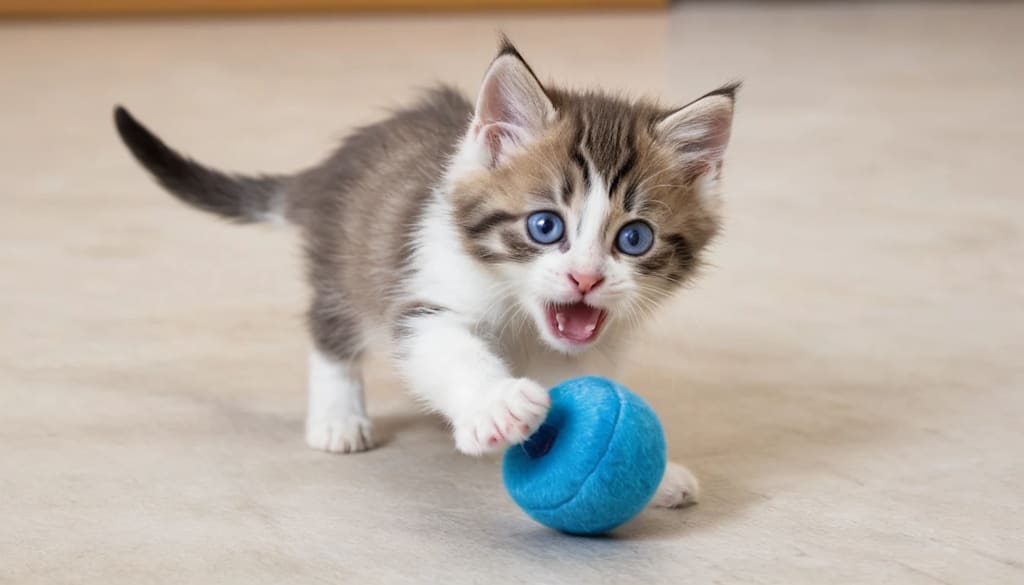
Cats are masters at hiding discomfort, and dental disease is one of the most common yet overlooked health issues they face. By the age of three, a majority of cats show signs of periodontal disease—often without obvious symptoms. As awareness grows, many pet owners seek ways to maintain their cat’s oral health without the risks associated with anesthesia. This has led to the rise of non-anesthetic dental cleanings, also known as anesthesia-free dentistry.
But are these procedures truly safe and effective, or do they simply offer a false sense of security? Understanding the benefits, limitations, and appropriate use of non-anesthetic dental cleanings is essential for making informed decisions about your cat’s health.
Understanding Feline Dental Health
A cat’s mouth is a complex ecosystem. Bacteria naturally accumulate on teeth, forming plaque—a sticky film that, if not removed, hardens into tartar. Over time, this buildup leads to gingivitis (gum inflammation) and eventually periodontal disease, which can cause pain, tooth loss, and even systemic health issues affecting the heart, kidneys, and liver.
Unlike humans, cats rarely show clear signs of dental discomfort. Subtle symptoms may include:
• Bad breath
• Drooling
• Difficulty eating or chewing
• Pawing at the mouth
• Behavioral changes, such as irritability or withdrawal
Because these signs often appear late, preventive dental care is critical.
What Are Non-Anesthetic Dental Cleanings?
Non-anesthetic dental cleaning is a procedure in which plaque and tartar are removed from a cat’s teeth without the use of sedation or general anesthesia. Typically, the process involves:
• Manual scaling of visible tartar using dental instruments
• Gentle restraint of the cat
• Polishing of tooth surfaces (in some cases)
The procedure is often marketed as a safer, more affordable alternative to traditional veterinary dental cleaning, which requires anesthesia.
Why Pet Owners Consider Anesthesia-Free Cleaning
1. Concerns About Anesthesia
Many cat owners worry about the risks of anesthesia, especially for older cats or those with underlying health conditions. While modern veterinary anesthesia is generally safe, it is not entirely risk-free, and this concern drives interest in alternatives.
2. Lower Cost
Non-anesthetic procedures are usually less expensive than full dental cleanings, making them appealing for budget-conscious pet owners.
3. Convenience
These cleanings are often quicker and may be offered at grooming salons or mobile clinics, eliminating the need for pre-anesthetic testing or extended recovery time.
The Benefits of Non-Anesthetic Dental Cleanings
To be fair, non-anesthetic dental cleaning does offer some advantages—when used appropriately.
Visible Tartar Removal
Surface tartar can be effectively removed, improving the appearance of the teeth and reducing bad breath temporarily.
Reduced Immediate Risk
Without anesthesia, there is no risk of anesthetic complications, which can be a relief for owners of medically fragile cats.
Maintenance Tool
For cats with already healthy mouths, non-anesthetic cleaning can serve as a supplemental maintenance measure between professional veterinary cleanings.
The Critical Limitations
Here’s where you need to be clear-eyed: non-anesthetic cleaning has serious limitations—and ignoring them can harm your cat.
1. No Cleaning Below the Gumline
The most dangerous dental disease occurs beneath the gumline, where bacteria destroy tissue and bone. Non-anesthetic procedures cannot safely or effectively clean these areas.
This is the single biggest drawback. You may see clean-looking teeth, while disease continues silently below.
2. Limited Examination Capability
A thorough dental exam requires probing under the gums and often dental X-rays—both impossible without anesthesia. This means:
• Hidden infections go undetected
• Tooth resorption lesions (common in cats) are missed
• Painful conditions remain untreated
3. Stress and Safety Concerns
Cats must be restrained during the procedure, which can cause:
• Significant stress and anxiety
• Risk of injury to the cat or handler
• Incomplete cleaning if the cat resists
A calm, cooperative cat is the exception—not the rule.
4. Risk of Aspiration
Without airway protection (as provided during anesthesia), there is a small but real risk that debris or bacteria could be inhaled into the lungs.
5. Cosmetic vs. Medical Outcome
Non-anesthetic cleaning is largely cosmetic. It may make teeth look better, but it does not address the underlying disease process in many cases.
Veterinary Perspective: What Experts Say
Most veterinary dental associations do not recommend non-anesthetic dental cleanings as a substitute for professional dental care.
Why? Because proper dental treatment involves:
• Scaling above and below the gumline
• Dental X-rays
• Treatment of diseased teeth (extractions or other procedures)
• Pain management
All of these require anesthesia to be done safely and effectively.
That said, some veterinarians acknowledge that anesthesia-free cleaning can have a limited role in very specific situations.
When Non-Anesthetic Cleaning May Be Appropriate
There are narrow cases where it can make sense:
• Cats with excellent oral health and minimal tartar
• As a short-term maintenance tool between full dental procedures
• When anesthesia is medically contraindicated, and no alternative is possible
Even in these situations, it should only be done by trained professionals experienced in feline handling and dental care.
When It Should Be Avoided
Let’s be direct—these are situations where non-anesthetic cleaning is the wrong choice:
• Moderate to severe tartar buildup
• Signs of gum disease or bleeding
• Bad breath indicating infection
• Suspected tooth resorption (very common in cats)
• Cats showing pain or difficulty eating
In these cases, avoiding anesthesia doesn’t protect your cat—it delays necessary treatment.
Safer Alternatives and Complementary Strategies
If your goal is to minimize anesthesia while protecting your cat’s dental health, you’ve got better options.
1. Professional Veterinary Dental Cleaning
Yes, it involves anesthesia—but it’s the gold standard for a reason. Modern protocols include:
• Pre-anesthetic bloodwork
• Careful monitoring during the procedure
• Tailored anesthetic plans based on your cat’s health
This significantly reduces risk.
2. At-Home Dental Care
This is where you can make a real difference daily.
• Brushing your cat’s teeth (ideally daily)
• Using enzymatic toothpaste designed for cats
• Dental wipes or gels for cats that resist brushing
Consistency matters more than perfection.
3. Dental Diets and Treats
Specially formulated foods can help reduce plaque buildup. Look for products designed to support oral health.
4. Water Additives
These can reduce bacteria in the mouth, though they are best used as a supplement—not a replacement for brushing.
Red Flags to Watch For in Providers
If you’re considering non-anesthetic dental cleaning, don’t just look at the price—look at the quality and safety.
Be cautious if a provider:
• Promises “complete dental care” without anesthesia
• Does not perform a pre-procedure assessment
• Lacks training specifically in feline handling
• Operates outside a veterinary framework without oversight
A reputable provider will be honest about the limitations and will refer you to a veterinarian when needed.
The Bigger Picture: Prevention Over Correction
Here’s the truth most people learn too late: dental disease is far easier to prevent than to treat.
A proactive approach includes:
• Early introduction of dental care routines
• Regular veterinary checkups
• Monitoring for subtle behavioral changes
• Acting quickly when symptoms appear
This approach reduces the need for both anesthesia and invasive procedures over time.
Emotional Reality: Why This Decision Matters
It’s easy to understand why cat owners want to avoid anesthesia. You care about your cat, and the idea of risk—even small risk—is uncomfortable.
But avoiding necessary care because it feels safer can backfire.
Untreated dental disease leads to:
• Chronic pain
• Infection
• Reduced quality of life
• Shortened lifespan
The goal isn’t to avoid all risk—it’s to choose the right kind of risk in service of your cat’s long-term health.
Non-anesthetic dental cleanings for cats occupy a gray area in veterinary care. They can offer limited benefits in very specific situations, primarily as a cosmetic or maintenance tool. However, they are not a substitute for professional dental treatment and should never be relied upon to manage or diagnose dental disease.
If you take one thing from this: clean-looking teeth do not always mean a healthy mouth.
The most effective approach combines:
• Professional veterinary care when needed
• Consistent at-home dental hygiene
• Informed decision-making based on your cat’s individual health
Your cat depends on you to see what they cannot show—and when it comes to dental health, what you don’t see matters most.
About the Creator
Algieba
Curious observer of the world, exploring the latest ideas, trends, and stories that shape our lives. A thoughtful writer who seeks to make sense of complex topics and share insights that inform, inspire, and engage readers.
The Dog Who Waited 2,547 Days
THE LONGEST WAIT IN SHELTER HISTORY 🐕 For six years, eleven months, and twenty-two days, a brindle pit bull mix named Chester sat in kennel number seventeen at the Riverside County Animal Shelter watching other dogs arrive and leave with families while he remained behind the chain-link door that had become the boundary of his entire world, and during those 2,547 days he was overlooked approximately fourteen thousand times by potential adopters who walked past his kennel and chose younger, smaller, fluffier, more Instagram-worthy dogs while Chester who was neither young nor small nor fluffy pressed his graying muzzle against the wire and wagged his tail with a persistence that the shelter staff described as either heartbreaking or heroic depending on whether they were feeling sad or inspired that day 💔
By The Curious Writerabout 20 hours ago in Petlife
The Good, Good Boy . . .
So, who is the "Good, Good Boy?" Why, Buddy, of course! If you've been following my posts for a while, you will know that Buddy had an inauspicious beginning here at LoupGarou/Conri Terriers. Just to be absolultely clear, I feel that I must repeat that Buddy was never abused at any time in his life and I do not hold the breeder responsible for his early difficulties with Kathleen that brought him here to live with me. Buddy has never been unstable: his actions have always been defensive in nature and, to him, have seemed entirely logical. He's made incredible progress from those first sad days. He's allowed me to pet him and to pick him up. He's gone into exercise pens and on walks along our rural road. His most recent success was to go to Lowe's for a little off-the-farm training. Next, he'll start walking several days a week for his FIT Dog title. Everything has been going well for Buddy.
By Kimberly J Egan4 days ago in Petlife
The Portrait of Matteo
Seventeen-year-old Manny got off a public bus at a busy intersection in downtown Philadelphia. When the bus released its brakes and passed his narrow view, he checked whether the art museum across the street was still there. He had been visiting it every day that week but wondered for a second the veracity of its presence. Now, the spring sun betrayed its gray highlights, giving it a warm glow.
By Paul Aaron Domenick3 days ago in Fiction


Comments
There are no comments for this story
Be the first to respond and start the conversation.