
The Drama Movie Explained
The Controversial Twist, Ending Breakdown, and What It Really Means

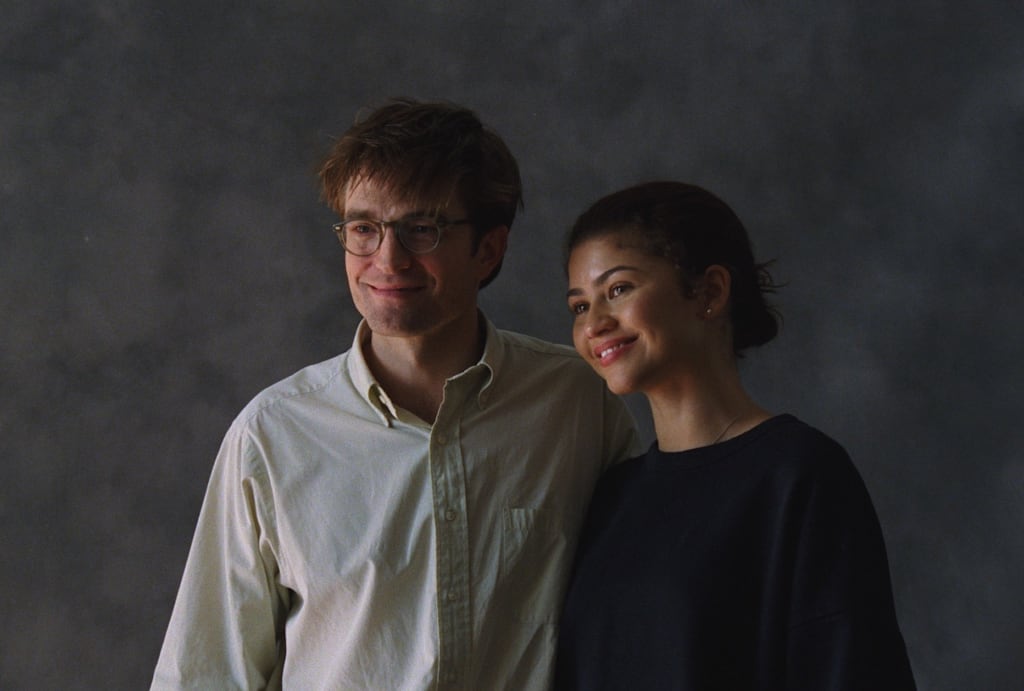
If you’ve been scrolling through social media or watching trailers lately, chances are you’ve heard whispers about the shocking twist in The Drama. But here’s the truth—this isn’t just another romantic comedy with a surprise ending. It’s a bold, uncomfortable, and deeply thought-provoking story that challenges everything we think we know about love, forgiveness, and human nature.
So what exactly is the big twist? Why has it sparked so much conversation? And what does the ending really mean?
Let’s break it all down.
The “Twist” That Changes Everything
Unlike traditional films where the twist is saved for the final act, The Drama flips expectations early.
Within the first 15 minutes, Emma (played by Zendaya) drops a revelation that immediately shifts the tone of the movie. She confesses that, as a teenager, she once planned a school shooting as revenge against classmates who bullied her.
This moment isn’t just shocking—it’s deeply unsettling.
Why? Because Emma didn’t just think about it. She actually brought a weapon to school. But in a twist of fate, she stopped herself after learning about another tragic shooting, which caused her classmates to rally around gun violence prevention efforts. Ironically, Emma then became a vocal advocate against the very thing she once considered.
Why This Twist Matters
This revelation forces viewers—and the characters—to confront a difficult question:
Can someone truly change, or are we forever defined by our darkest thoughts?
That’s what makes this twist so powerful. It’s not about shock value—it’s about moral discomfort.
The Psychology Behind Emma’s Transformation
To understand the story, you have to understand Emma.
She wasn’t portrayed as inherently evil. Instead, her actions were rooted in:
- bullying
- emotional trauma
- lack of mental health support
- personal loss
The film subtly suggests that her near-breaking point was not just about revenge—but about feeling invisible and unheard.
Story Insight:
Imagine a teenager pushed to the edge, carrying pain with no outlet. Now imagine that same person being handed purpose and recognition in a completely different direction. That’s the pivot Emma experiences.
But the real tension lies here:
Even if she changed… should people trust that change?
Charlie’s Breakdown: When Love Meets Fear
Emma’s fiancé, Charlie (played by Robert Pattinson), becomes the emotional anchor of the film.
At first, he tries to rationalize Emma’s past. But slowly, doubt creeps in.
He begins to:
- reinterpret her behavior
- question her emotional stability
- fear what she might be capable of
This is where the film becomes psychologically intense.
Why Charlie’s Reaction Feels Real
Because it reflects how most people would react.
It’s easy to preach forgiveness—until you’re the one who has to live with the truth.
Lesson:
Love is not just about knowing someone’s best moments. It’s about deciding whether you can live with their worst ones.
The Wedding Collapse: When Truth Explodes
The tension builds toward the wedding day—and then everything falls apart.
In a chaotic and emotional sequence:
- Charlie accidentally confesses to cheating
- A fight breaks out at the reception
- Emma runs away
What was supposed to be a celebration becomes a complete unraveling of trust, identity, and emotional stability.
Why This Scene Is Important
Because it mirrors the central theme of the film:
Truth doesn’t always set you free. Sometimes, it destroys everything first.
The Ending Explained: A Quiet Reset
After all the chaos, the film ends not with a grand resolution—but with something far more subtle.
Charlie finds Emma at a diner—the same place they once planned to visit after their wedding.
But instead of continuing where they left off…
They start over.
Emma pretends she’s meeting Charlie for the first time. They talk, smile, and reconnect—almost like strangers discovering each other again.
Then the screen fades to black.
What the Ending Really Means
This ending has divided audiences—but here’s the deeper interpretation:
1. Love Requires Reinvention
Sometimes, relationships can’t survive the truth as they were. They need to be rebuilt from scratch.
2. Forgiveness Is a Choice, Not a Feeling
The film suggests that forgiveness isn’t about forgetting—it’s about deciding to move forward anyway.
3. We Are More Than Our Worst Moments
Emma’s past doesn’t disappear. But it doesn’t fully define her future either.
Why The Drama Is So Controversial
The film doesn’t give clear answers—and that’s intentional.
It raises uncomfortable questions:
Should Emma be forgiven?
Would she have gone through with it if nothing stopped her?
How many people have had dark thoughts they never acted on?
Where do we draw the line between thought and action?
By refusing to provide easy answers, the film forces the audience to confront their own beliefs.
Final Thoughts: A Film That Stays With You
The Drama is not a feel-good romantic comedy.
It’s a mirror.
A reflection of:
- human imperfection
- emotional complexity
- the fragile line between love and fear
And maybe that’s why it resonates so deeply.
Because at its core, the film asks a question we all struggle with:
If someone showed you the darkest version of themselves… would you stay?
That’s not just a movie question.
That’s a life question.
About the Creator
Omasanjuwa Ogharandukun
I'm a passionate writer & blogger crafting inspiring stories from everyday life. Through vivid words and thoughtful insights, I spark conversations and ignite change—one post at a time.
Keep reading
More stories from Omasanjuwa Ogharandukun and writers in Journal and other communities.
How UConn Huskies men's basketball Stunned Duke Blue Devils men's basketball and Why Momentum Matters More Than Talent
March Madness has always been unpredictable. But on March 30, 2026, it delivered something even rarer—a reminder that no lead is safe, no favorite is guaranteed, and no moment is too big for belief.
By Omasanjuwa Ogharandukun6 days ago in Journal
Author’s Advice
If you would’ve asked me 20 years ago did I know I’d become a writer and an author, I would’ve said “nope, ain’t happening”. As fate would have it I did become an author and I can honestly say I’m loving it so far. It really does feel good to be a writer. I’ve learned a lot on this journey and I feel like with even me being as new to this world as I am, there’s some wisdom I need to share with every other aspiring author.
By Joe Patterson25 days ago in Journal


Comments
There are no comments for this story
Be the first to respond and start the conversation.