
About 90 Ships Still Cross the Strait of Hormuz as Iran Exports Millions of Barrels of Oil Despite the War
Even amid conflict, Iran keeps critical oil flowing while global markets watch nervously
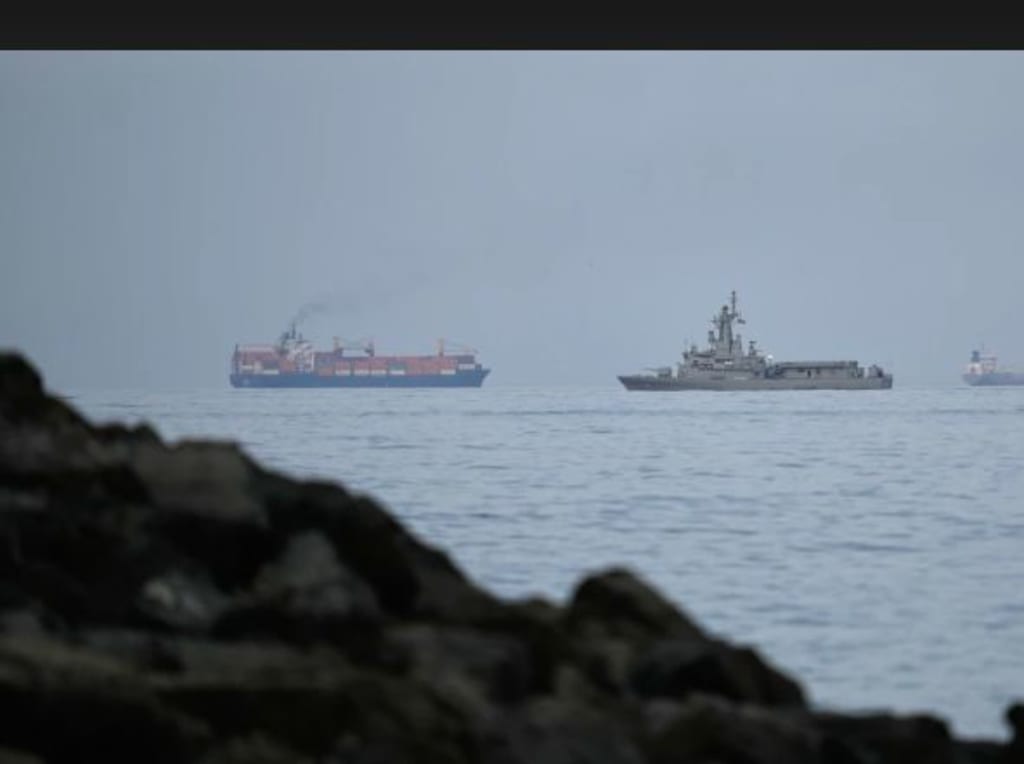
When war erupted involving Iran earlier this year, energy experts feared the worst: a shutdown of one of the world’s most important oil chokepoints—the Strait of Hormuz. This narrow stretch of water links the Persian Gulf to the Gulf of Oman and beyond, and normally about one-fifth of the world’s oil passes through it every day.
Surprisingly, recent reports show that roughly 90 ships have still managed to transit the strait since the conflict began, and Iran has exported millions of barrels of crude. This raises a fascinating question: how is global energy still moving in one of the most dangerous maritime regions on Earth?
Why the Strait of Hormuz Matters
The Strait of Hormuz is a lifeline for global energy. Crude oil and liquefied natural gas from countries like Iran, Kuwait, and the UAE travel through this narrow channel to markets in Asia, Europe, and beyond.
Even minor disruptions can ripple across global markets, driving up oil prices and causing instability in fuel costs worldwide. Naturally, when war threatened the region, many expected a complete shutdown—but that hasn’t happened.
How Iran Keeps Oil Moving
Despite ongoing hostilities, Iran has continued shipping more than 16 million barrels of oil since the conflict began. Here’s how it’s happening:
Controlled access: Iran appears to be carefully regulating who can pass, allowing certain tankers—especially those connected to long-term buyers like China—to transit safely.
Diplomatic coordination: Countries like China and India have negotiated safe passage, ensuring that tankers reach ports without interference.
Shadow fleet tactics: Some vessels turn off or obscure tracking systems to avoid detection while navigating risky waters.
Economic necessity: Iran depends heavily on oil revenue, and a total halt in exports would damage its own economy.
The result is a strait that isn’t fully open, but also isn’t fully closed—traffic is selective, strategic, and highly controlled.
Fewer Ships, Higher Risk
It’s worth noting that 90 ships is far below normal traffic, which usually numbers in the hundreds daily. Many shipping companies have avoided the area entirely due to safety concerns, high insurance premiums, and the risk of attacks.
Those that do navigate the strait face elevated risks, and international organizations like the IMO are coordinating safe corridors to protect seafarers and cargo. Thousands of crew members are stranded in ports or at sea, highlighting the human cost of the conflict.
What This Means for Oil Prices
Even with partial traffic, uncertainty around the strait has pushed oil prices above $100 per barrel. Traders are factoring in the risk of further disruption, while energy markets remain volatile.
Higher energy costs impact nearly every sector—from transportation and manufacturing to consumer goods—putting additional pressure on economies worldwide.
Geopolitical Implications
Iran’s ability to selectively control passage through the Strait of Hormuz gives it significant leverage. By allowing its own exports while limiting or discouraging others, Tehran strengthens both its economic and strategic position.
Global shipping firms now face tough choices: avoid the strait entirely, find alternative routes, or take calculated risks to deliver oil to key markets. This dynamic highlights just how intertwined energy security and geopolitics have become.
Why This Matters to the World
The continued flow of oil through the Strait of Hormuz shows that even in war zones, global commerce finds ways to persist—but not without cost. Supply chains are strained, shipping is risky, and prices remain high.
For energy-importing nations, this is a reminder that dependence on critical chokepoints comes with inherent vulnerabilities. Meanwhile, countries like Iran can use control of such routes as a bargaining tool in diplomatic and economic negotiations.
Takeaways
About 90 ships have crossed the Strait of Hormuz since the conflict began.
Iran has exported millions of barrels of oil, keeping global markets supplied despite the war.
Shipping traffic is selective, controlled, and far below normal levels.
Oil prices remain elevated due to uncertainty, supply risk, and geopolitical tension.
The situation underscores the critical link between energy security, maritime control, and international politics.
Final Thoughts
The Strait of Hormuz isn’t closed—but it’s a dramatically transformed corridor. Iran’s selective management of maritime traffic and continued oil exports show the complexity of maintaining global trade amid conflict.
For global markets, the lesson is clear: in today’s world, geopolitics, energy, and economics are inseparable, and strategic chokepoints can shape not just regional stability but the entire global economy.
As the war continues, the eyes of the world remain fixed on this narrow stretch of water—because the flow of oil here impacts everything from gas prices at your local pump to the stability of economies halfway across the globe.
If you want, I can also add highlighted pull quotes, bullets for quick reading, and SEO-friendly subheads to make this blog post even more clickable and shareable.
About the Creator
Author’s Advice
If you would’ve asked me 20 years ago did I know I’d become a writer and an author, I would’ve said “nope, ain’t happening”. As fate would have it I did become an author and I can honestly say I’m loving it so far. It really does feel good to be a writer. I’ve learned a lot on this journey and I feel like with even me being as new to this world as I am, there’s some wisdom I need to share with every other aspiring author.
By Joe Patterson7 days ago in Journal
Trump Says Global Coalition Will Send Warships to Reopen Strait of Hormuz
A major escalation in the ongoing Iran conflict is unfolding as former U.S. President Donald Trump announced that multiple countries may deploy warships to protect commercial shipping through the Strait of Hormuz — one of the world’s most critical energy chokepoints.
By Navigating the World4 days ago in Journal


Comments
There are no comments for this story
Be the first to respond and start the conversation.