
When “Can We Contact Your References?” Isn’t Enough Anymore
How employers can spot red flags, verify candidate credibility
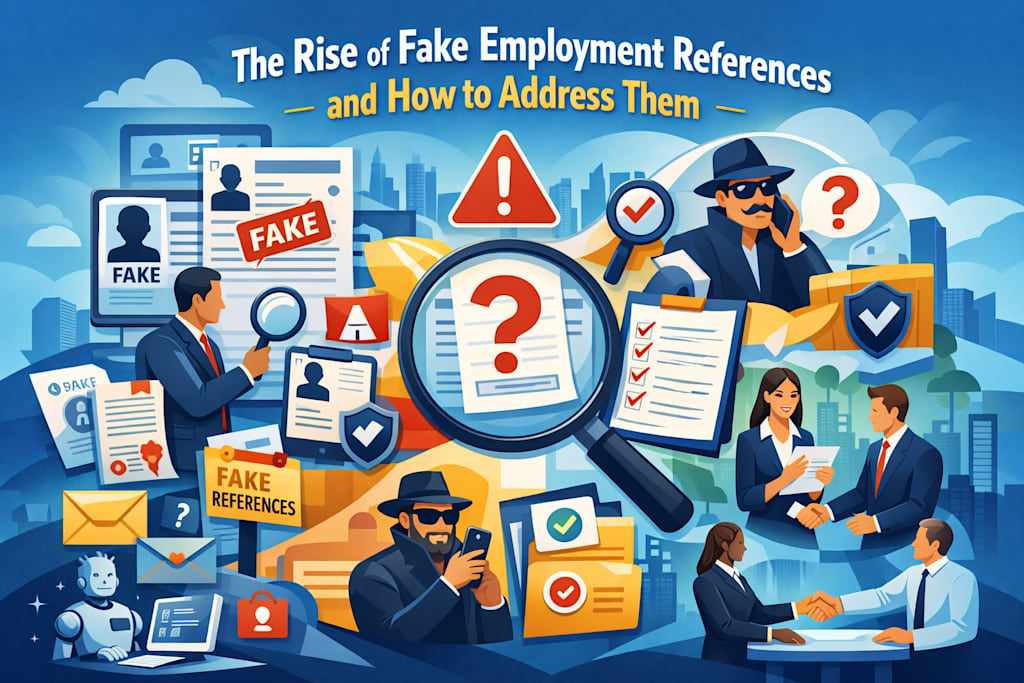
It used to be that checking references was one of the easiest things to do when hiring. A candidate gave HR the names of a few former managers or coworkers, and HR called them to find out if the candidate really had the experience they said they did. It wasn't perfect, but it worked most of the time. That's not the world many employers are hiring in anymore.
Fake references are becoming a real but quiet problem in hiring these days. They are harder to find, easier to make, and more common than most businesses would like to admit. What used to be a simple verification step has become a trust test that many hiring teams are not fully ready for.
And the issue isn't just that some candidates are lying. It's that modern tools, AI platforms, and online "reference services" have made it surprisingly easy to make up a whole professional backstory that seems real at first glance.
If employers are still using old ways to check references, they might be putting too much faith in something that can now be made in a matter of minutes. Why there are more fake references now. Fake references are on the rise, but they're not alone. It's part of a bigger change in the world of hiring.
There are a lot of people looking for jobs. There is a lot of pressure on candidates. It can be very hard to get a good job, especially in fields where one job may get hundreds of applications. Some people looking for work in that kind of environment feel like they need to "improve" their credibility instead of getting it honestly.
It can start out small. A friend acts like a former boss. AI can make a reference letter better. Instead of a company email, I used a personal one because "my old manager left the company."
At other times, it's much more planned. There are now online services that offer reference coaching, fake job verification, and even professional-sounding people who will answer calls for a candidate. With AI-generated writing, realistic online profiles, and well-written emails, it's easy to see how a fake job history could start to look real.
That's what makes this problem so dangerous. It doesn't take much work to fake being credible anymore. Why it still matters to check references.
References are still important, even in a world of skills tests, applicant tracking systems, and AI-powered recruiting tools. Not because they tell you everything, but because they can show you things that a resume can't.
A reference check can help you find out if someone really did the job they say they did. It can also tell you how they worked: if they were dependable, professional, worked well with others, were easy to coach, or were hard to manage.
That kind of background is helpful. But only if the reference is real. If it isn't, employers might hire someone based on a carefully crafted lie. And that doesn't just mean a bad hire. In some cases, it can hurt team morale, productivity, customer trust, compliance, and even safety or financial risk at work.
On paper, a fake reference might not seem like a big deal. In real life, it can end up costing a lot of money. How fake references get past the system. The sad truth is that a lot of fake references don't get caught because hiring teams are too busy to see the warning signs.
Recruiters are trying to fill a lot of jobs at once. Hiring managers want to make decisions quickly. HR teams might not have a formal way to check references other than making a quick phone call and writing down a few notes. That gives a lot of room for lying.
A confident candidate with a polished resume and a fake contact that is well-prepared can easily get through a casual screening. And once someone has passed the interviews, the hiring teams may already be emotionally invested in wanting the person to work out.
That's where things go wrong. How to better tell if references are fake. Finding one big red flag isn't always enough to catch fake references. It's more about noticing little things that don't quite fit together.
For instance, does the reference use a personal email address instead of a company domain, even though the candidate just worked there? Does the person sound strangely vague about what the candidate will really be doing? Do they say great things about you but have trouble giving specific examples?
That kind of mismatch is important.
It also helps to look at the references in light of everything else the candidate has said. Their resume, LinkedIn profile, interview answers, job titles, and timelines should all tell the same story. If one part of the story seems clear and the other seems fuzzy, you should look more closely.
And sometimes the easiest check is the most helpful: check the company and the person on your own. Is the business real in a way that matters? Is there proof that the reference really did the job they say they did?
You don't have to be cynical. But you have to be careful. How to deal with fake references and fake diplomas the best way. "Check more references" is not the best way to deal with fake references. It's to make a hiring process that doesn't rely too much on them from the start. That means that reference checks should help you decide who to hire, not make the decision for you.
A better hiring process has more than one way to check: Structured interviews that ask candidates to talk about their real-world experience; skills tests or practical tasks that show what they can actually do; employment verification when necessary; standardized reference questions instead of casual conversation; and independent confirmation of companies and roles when something feels off are all good ideas.
This is important because it's easier for someone to fake a recommendation than it is for them to show real expertise over and over again. If a candidate says they led teams, solved complicated problems, managed systems, or got results that could be measured, your hiring process should give them a chance to show it.
That's where the truth often becomes much clearer. The reason this is really about trust. At its heart, the problem of fake references isn't just about hiring fraud. It's all about trust. One of the most human things a business does is hire people. Every offer is a sign of faith. You are choosing to believe that the person is who they say they are, that they can do what they say they can do, and that they will be helpful when they get there.
That trust shouldn't be blind. But it shouldn't go away either. The answer is not to treat every candidate like a criminal. The answer is to make hiring systems that are smart, fair, and strong enough to reward honesty and weed out lies. In today's job market, "Can we contact your references?" is not enough. The better question is: How do we know that the story we're being told is true?
#Hiring #HR #Recruitment #FakeReferences #EmploymentVerification #BackgroundChecks #TalentAcquisition
About the Creator
Keep reading
More stories from Novelty Diploma and writers in Education and other communities.
Common Lies on Resumes and How Employers Find Them Out
Your CV should tell the tale of your work life. This is the paper that tells a possible employer who you are before you even go to an interview. Some people who are applying feel like they have to lie or even make things up because of the pressure. It might seem like a good idea to correct a few things that aren't quite perfect, but employers are getting better at finding them.
By Novelty Diplomaabout a month ago in Education
I Live By the Bottle
For about a week I had the Norovirus. The Norovirus is a gastrointestinal virus that causes vomiting and diarrhea. Most people get over it within three days. It is troublesome for the elderly and young children, as well as people with medical conditions. I, myself, have a rare medical condition called Nephrogenic Diabetes Insipidus.
By Sid Aaron Hirjia day ago in Education
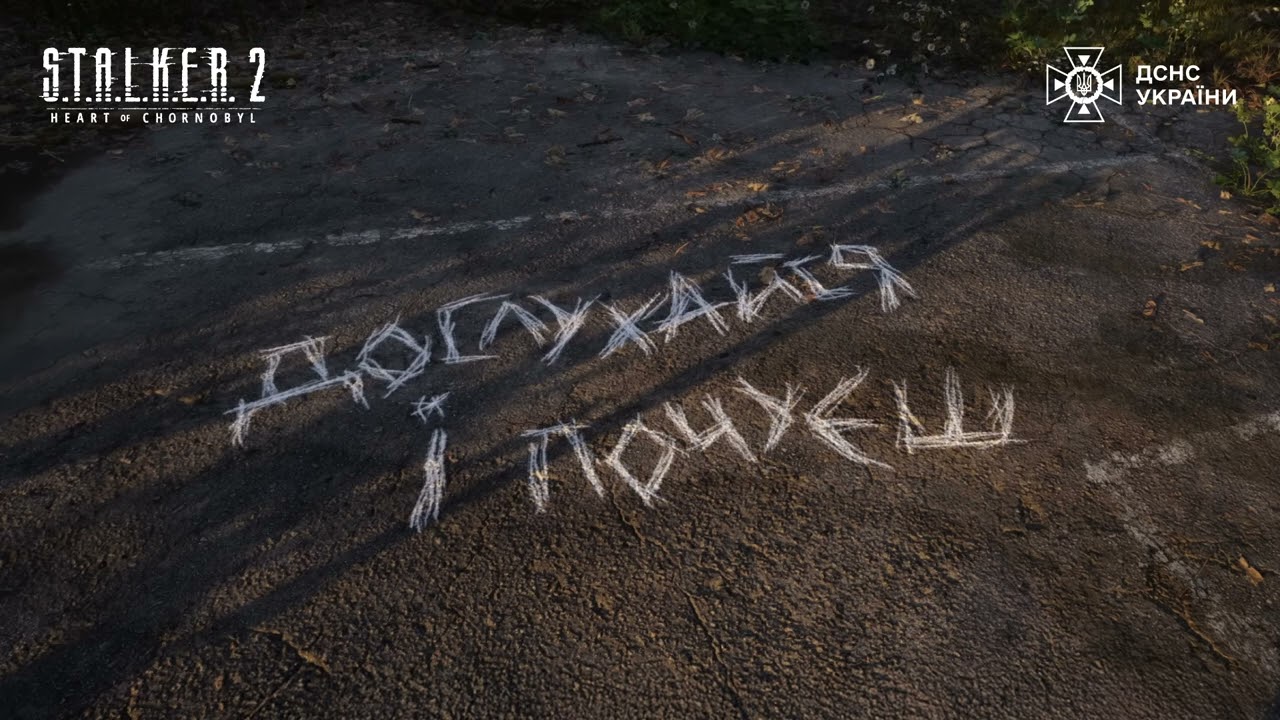
Collaboration Ukrainian Emergency Service and S.T.A.L.K.E.R. 2 after mine safety video goes viral
Ukraine is the most mined country in the world — 139,000 square kilometers are potentially dangerous. This is 23% of the country’s territory. The State Emergency Service of Ukraine (SES) worked in partnership with creative marketing agency Rockets. Growth R&D and GSC Game World to create the project, titled S.T.A.L.K.E.R. 2: The Hidden Threat. The short video is styled exactly like an in-game PDA message familiar to players of the S.T.A.L.K.E.R. universe and features Skif (the main character of the game) addressing viewers directly.
By Anastasia P5 days ago in Education
The Portrait of Matteo
Seventeen-year-old Manny got off a public bus at a busy intersection in downtown Philadelphia. When the bus released its brakes and passed his narrow view, he checked whether the art museum across the street was still there. He had been visiting it every day that week but wondered for a second the veracity of its presence. Now, the spring sun betrayed its gray highlights, giving it a warm glow.
By Paul Aaron Domenick6 days ago in Fiction



Comments