
How to Install an Exhaust Pipe: Step-by-Step Guide for Beginners
Learn How to Install an Exhaust Pipe
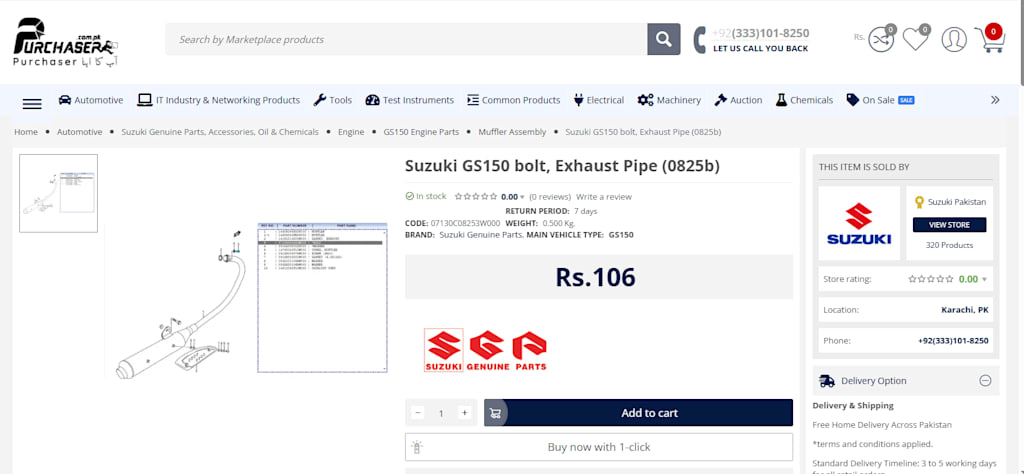
An exhaust pipe is a key component of your vehicle’s exhaust system. It directs harmful gases away from the engine and safely out of the vehicle. Without it, your car wouldn’t run efficiently—or safely.
Understanding How to Install an Exhaust Pipe: Step-by-Step Guide for Beginners can save you time, money, and hassle. Plus, it gives you a deeper understanding of your vehicle.
Why Proper Installation Matters
Proper installation ensures:
- Efficient engine performance
- Reduced emissions
- Lower noise levels
- Improved fuel economy
A poorly installed exhaust pipe can lead to leaks, strange noises, and even dangerous fumes entering the cabin.
Understanding the Exhaust System
Key Components of an Exhaust System
Before diving into installation, it’s helpful to know the main parts:
- Exhaust manifold
- Catalytic converter
- Muffler
- Exhaust pipe
Each part works together to reduce emissions and noise.
Role of the Exhaust Pipe
The exhaust pipe carries gases from the engine to the rear of the vehicle. It must be securely connected and properly aligned to function effectively.
Tools and Materials Required
Essential Tools
You’ll need:
- Wrench set
- Socket set
- Jack and jack stands
- Penetrating oil
- Safety gloves and goggles
Recommended Materials
- Replacement exhaust pipe
- Clamps or bolts
- Exhaust sealant
- Rubber hangers
Having the right tools makes the process smoother and safer.
Safety Precautions Before Installation
Personal Safety Tips
Always wear protective gear. Exhaust systems can have sharp edges and may still be hot if the vehicle was recently used.
Vehicle Safety Measures
Park on a flat surface
Engage the parking brake
Use wheel chocks
Ensure the car is stable before working underneath
Safety should always come first.
Preparing for Exhaust Pipe Installation
Inspecting the Old Exhaust System
Check for:
- Rust
- Cracks
- Loose connections
This helps you identify the exact problem and ensures you replace the correct section.
Choosing the Right Replacement Pipe
Make sure the new pipe matches:
- Your vehicle model
- Pipe diameter
- Connection type
Using the wrong part can cause installation issues.
Step-by-Step Guide: How to Install an Exhaust Pipe
Step 1: Lift the Vehicle Safely
Use a jack to lift the vehicle and secure it with jack stands. Never rely on the jack alone.
Step 2: Remove the Old Exhaust Pipe
Spray penetrating oil on bolts to loosen them. Carefully remove clamps or bolts and detach the old pipe.
Step 3: Clean the Connection Points
Use a wire brush to remove rust and debris. Clean surfaces ensure a tight seal.
Step 4: Fit the New Exhaust Pipe
Position the new pipe in place. Make sure it aligns properly with the existing system.
Step 5: Secure the Pipe with Clamps or Bolts
Attach clamps or bolts to hold the pipe in place. Don’t tighten fully yet.
Step 6: Check Alignment
Ensure the pipe:
- Is not touching other components
- Has proper clearance
- Is straight and secure
Step 7: Tighten All Connections
Once aligned, tighten all bolts and clamps securely.
Step 8: Lower the Vehicle
Carefully remove the jack stands and lower the vehicle.
Step 9: Test the Installation
Start the engine and listen for:
- Leaks
- Rattling sounds
- Unusual vibrations
If everything sounds good, your installation is successful!
Common Mistakes to Avoid
Improper Alignment
Misalignment can cause vibrations and damage other parts of the vehicle.
Loose Connections
Loose clamps can lead to exhaust leaks and reduced performance.
Tips for Maintaining Your Exhaust Pipe
Regular Inspections
Check your exhaust system every few months for signs of wear.
Preventing Rust and Damage
- Avoid driving through deep water
- Use rust-resistant coatings
- Keep the system clean
Signs You Need a New Exhaust Pipe
Loud Noises
A noisy exhaust often indicates a leak or damage.
Reduced Fuel Efficiency
If your car uses more fuel than usual, your exhaust system might be the issue.
Cost of Exhaust Pipe Installation
DIY vs Professional Installation
DIY: More affordable, requires time and effort
Professional: Costs more but ensures expert installation
Choose based on your comfort level and experience.
Frequently Asked Questions (FAQs)
1. How long does it take to install an exhaust pipe?
Typically, it takes 1–2 hours for beginners.
2. Can I install an exhaust pipe without professional help?
Yes, with the right tools and guidance, beginners can do it.
3. Do I need special tools for installation?
Basic tools like wrenches and a jack are usually enough.
4. How do I know if my exhaust pipe is leaking?
You may hear loud noises or smell exhaust fumes.
5. Is it safe to drive with a damaged exhaust pipe?
It’s not recommended, as it can be dangerous.
6. How often should I replace my exhaust pipe?
It depends on usage, but typically every 5–7 years.
Conclusion
Learning How to Install an Exhaust Pipe: Step-by-Step Guide for Beginners is a valuable skill for any car owner. Not only does it save money, but it also helps you understand your vehicle better.
By following the steps outlined above, using the right tools, and prioritizing safety, you can successfully install an exhaust pipe on your own. While it may seem challenging at first, practice makes perfect—and soon, you’ll handle it like a pro.
About the Creator
Keep reading
More stories from Abdul Alim and writers in Education and other communities.
How to Choose the Right CCTV Video Recorder in Pakistan
If you're planning to secure your home or business, knowing How to Choose the Right CCTV Video Recorder in Pakistan is essential. With increasing security concerns in cities like Lahore, Karachi, and Islamabad, CCTV systems have become a necessity rather than a luxury.
By Abdul Alim18 days ago in Education
Smart Solutions for Real Life: How Digital Platforms Are Reshaping Legal and Financial Support for Families
For many families, dealing with legal and financial responsibilities has often felt like stepping into a world filled with confusion and pressure. Important tasks such as drafting legal documents or managing household finances required time, expertise, and often significant expense. Today, digital platforms are transforming this experience by offering practical, easy-to-use solutions that fit into everyday life.
By Nathalie Kyriakou5 days ago in Education
How Brandon Cody Verran’s Career Reflects the Power of Hands-On Leadership
Leadership is often associated with titles, positions, and authority. However, some of the most effective leaders develop their skills through experience rather than formal roles. The career of Brandon Cody Verran offers a perspective on how hands-on work across multiple industries can shape a practical and adaptable leadership style.
By ORM_Specialist6 days ago in Education



Comments
There are no comments for this story
Be the first to respond and start the conversation.